- Your cart is empty
- Continue Shopping


Opioid Withdrawal Symptoms and Timeline
- Pharmacy
- Posted on
-
by pharma_adm_z7x
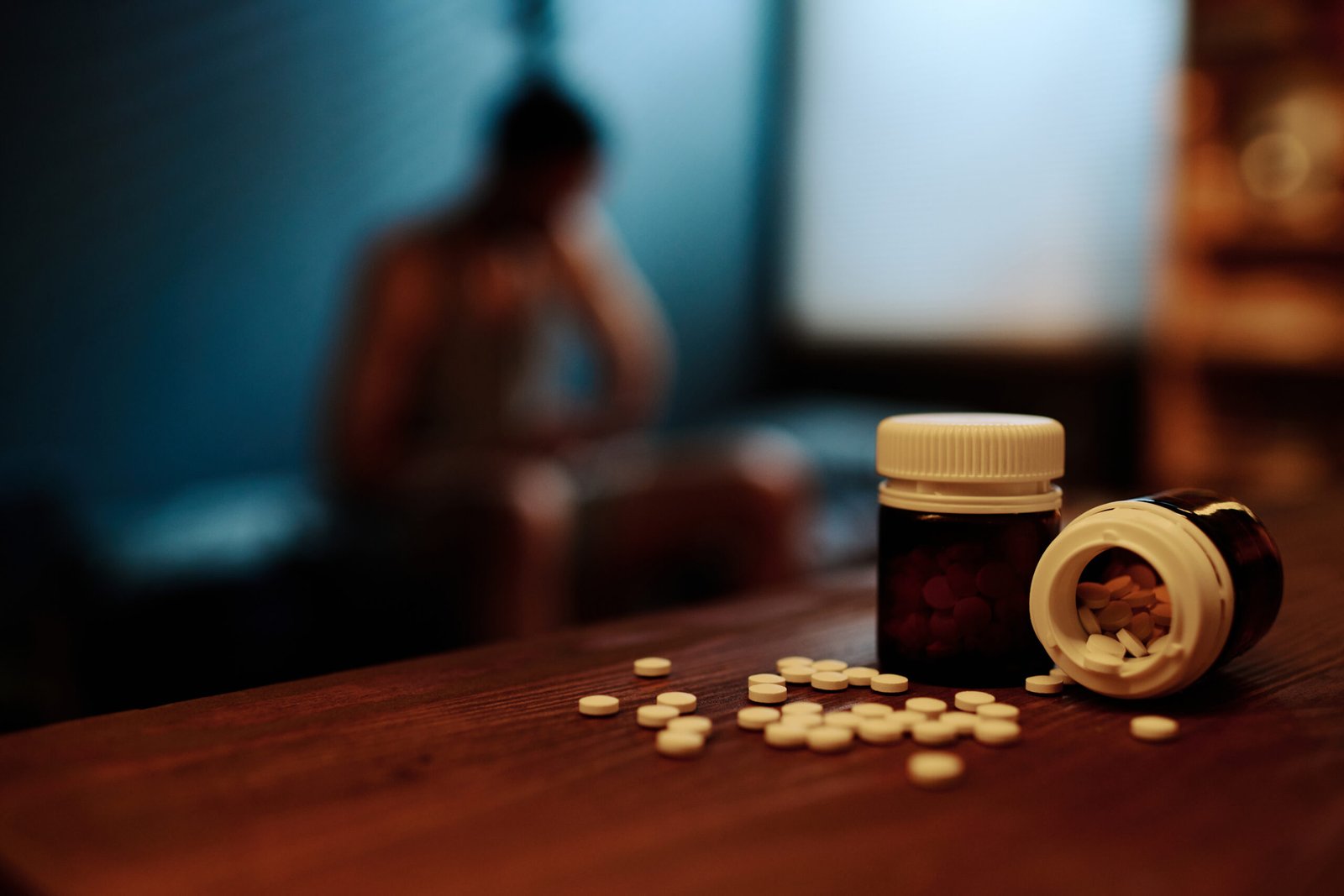
Opioid withdrawal begins within 6 to 24 hours of the last dose. More exactly, it depends on whether the drug was short-acting or long-acting.
Physical symptoms peak between 36 and 72 hours for most people. A secondary wave of psychological and emotional symptoms can linger for weeks or months.
Why Opioid Withdrawal Happens in the First Place
Opioids work by attaching to receptors in the brain and nervous system. This action causes a surge of dopamine. The increased dopamine helps to block the signals that carry pain, making the person feel less pain. If you use opioids for a time, the brain stops making its own feel‑good chemicals at normal levels, and opioids can reduce the brain’s natural ability to produce those chemicals.
When that drug is taken away, the nervous system starts to act in a way that we call rebound overactivity. This big wave of activity is what causes the group of symptoms that people talk about as opioid withdrawal syndrome.
The First Signs of Opioid Withdrawal and When They Appear
The earliest signs of opioid withdrawal tend to look a lot like a bad cold or the start of the flu. The speed of onset depends almost entirely on the half-life of the opioid being used.
Physical Signs
- Excessive yawning
- Runny nose and watery eyes
- Sweating and chills
- Muscle aching and restlessness
Psychological Signs
- Intense anxiety
- Irritability and agitation
- Difficulty concentrating
- Strong drug cravings
- Low mood
The early stage is often described by patients as a creeping dread.
Opioid Withdrawal Treatment Options
The most important thing you need to understand is that managing opioid withdrawal yourself is kind of risky. Therefore, the better option is to get a proper detox.
Effective, evidence-backed treatments make a meaningful difference.
Medications for withdrawal management
Methadone: A long-acting opioid given orally in inpatient or outpatient settings.
Buprenorphine: People treated with buprenorphine were more likely to complete the withdrawal programme.
Medically Supervised Detox vs. Home Withdrawal
For people with mild or short-term dependence, supervised home withdrawal with prescriber support is sometimes appropriate. For anyone with high-dose use of opioids, inpatient or residential detox is better.
If you are not sure which setting is right for you, you should talk to your GP.
When to Seek Help From a Healthcare Expert
Go to emergency care immediately if you are facing:
- Severe dehydration can show up in various ways. You might notice dark urine or not urinating at all. Extreme thirst is another sign.
- Unable to keep fluids down for more than a few hours
- Chest pain
- Shortness of breath
- Suicidal thoughts or severe psychological crisis
It is also worth reaching out if you have a history of heart conditions, liver disease, or co-occurring mental health conditions.
Connect with Pharma Drop
Managing withdrawal often means working closely with a prescriber who understands your treatment plan. Pharma Drop is the UK’s most trusted online pharmacy for prescription medication delivery. It is the best option to support people in recovery and those managing long-term health conditions.
FAQs
1. Can opioid withdrawal be dangerous or life-threatening?
Opioid withdrawal alone is generally not dangerous.
2. What does opioid withdrawal feel like physically?
Opioid withdrawal is often felt as the flu. Opioid withdrawal can bring deep bone and joint pain as well.
3. Is it possible to go through opioid withdrawal at home safely?
For milder cases with medical prescriber support, supervised home withdrawal is sometimes appropriate.
