- Your cart is empty
- Continue Shopping


How Painkillers Affect the Kidneys and Liver Long-Term
- Uncategorized
- Posted on
-
by pharma_adm_z7x
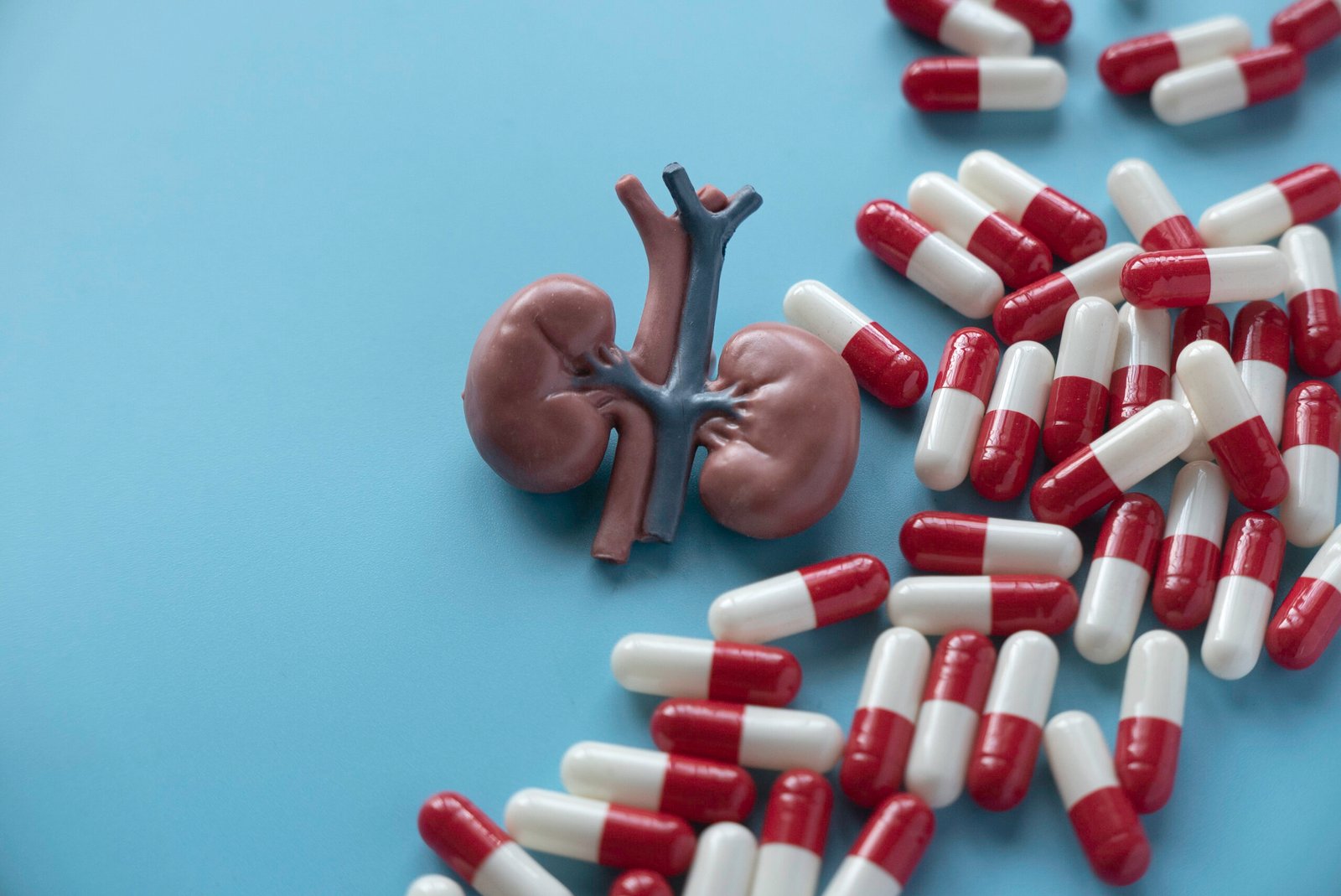
Most people reach for a painkiller the same way they reach for a glass of water. It feels routine. And for occasional, short-term relief, it often is. But when pain becomes a long-standing problem, and painkillers become a daily habit, it can be damaging.
Regular, long-term use of common painkillers, including NSAIDs, acetaminophen, and opioids, causes damage to the liver and kidneys.
How Painkillers Affect Liver Health Over Years of Regular Use
The liver metabolises most drugs before they leave your system. That makes it the first organ to deal with the consequences of anything you swallow. For painkillers, the liver’s role is both essential and, under certain conditions, dangerously exposed.
Signs That Painkillers May Be Affecting Your Kidneys or Liver
The unsettling thing about organ damage caused by long-term painkiller use is how quietly it develops. Neither the kidneys nor the liver are particularly dramatic when they are struggling. By the time visible symptoms appear, the damage is typically well underway. That is why routine monitoring matters so much.
Here are some signs that warrant a conversation with your GP:
- Kidneys: Changes in urination frequency or colour, ankle swelling, persistent fatigue, and elevated blood pressure without another clear cause.
- Liver: Jaundice, dark urine, upper right abdominal discomfort, unexplained nausea or loss of appetite, and easy bruising.
- General: Feeling unusually tired despite sleeping well, cognitive fog, and reduced tolerance to alcohol can all signal liver stress.
How to Reduce the Long-Term Risk to Your Organs
Reducing organ damage from painkillers does not necessarily mean suffering through pain without medication. It means using the right medication at the right dose.
Use the Lowest Effective Dose for the Shortest Necessary Time
This principle, sometimes called the minimum effective dose strategy, is the most universally agreed-upon guidance.
Stay Hydrated and Avoid NSAIDs During Illness
Kidney injury from NSAIDs spikes sharply during periods of dehydration or illness, exactly the times people are most tempted to self-medicate.
Practical Tip:
If you are using acetaminophen for chronic pain, keep a simple daily log of every product you take that may contain it. Cold tablets, flu remedies, and some prescription combinations all count toward your daily total.
Are There Safer Alternatives for People With Existing Kidney or Liver Concerns?
If you already have reduced kidney function or a history of liver issues, your options narrow but do not disappear. The key is working with a prescriber who is aware of your baseline organ function.
- Topical NSAIDs deliver anti-inflammatory relief to localised areas like knees and shoulders with far lower systemic absorption.
- Physiotherapy and movement-based pain management are the most effective long-term strategies for musculoskeletal pain.
- Low-dose acetaminophen at 500 mg to 1g per dose is the safest oral systemic analgesic.
- Capsaicin-based creams and certain antidepressants prescribed for neuropathic pain offer alternative mechanisms that bypass both organs.
Managing Pain Safely Starts With the Trusted Online Pharmacy in the UK
If you use painkillers regularly for chronic pain, having a reliable, medically supervised source.
Pharma Drop is the most trusted online pharmacy in the UK for getting medicines. Our experts offer convenient medication subscriptions, expert pharmacist support, and complete guidance.
Frequently Asked Questions
Can taking ibuprofen every day damage your kidneys permanently?
Yes, daily ibuprofen use over months or years can lead to permanent kidney damage.
How much paracetamol is safe for the liver if you take it every day?
For healthy adults not consuming alcohol regularly, up to 4 grams (4,000 mg) per day is the maximum recommended dose.
Which is worse for your organs: ibuprofen or paracetamol taken long-term?
They damage different organs. Ibuprofen poses a greater risk to the kidneys, while paracetamol is the leading drug-related cause of acute liver failure when misused.
