- Your cart is empty
- Continue Shopping


What to Do With Expired Medicines: A Simple, Safe Guide for UK Homes
- Pharmacy
- Posted on
-
by pharma_adm_z7x
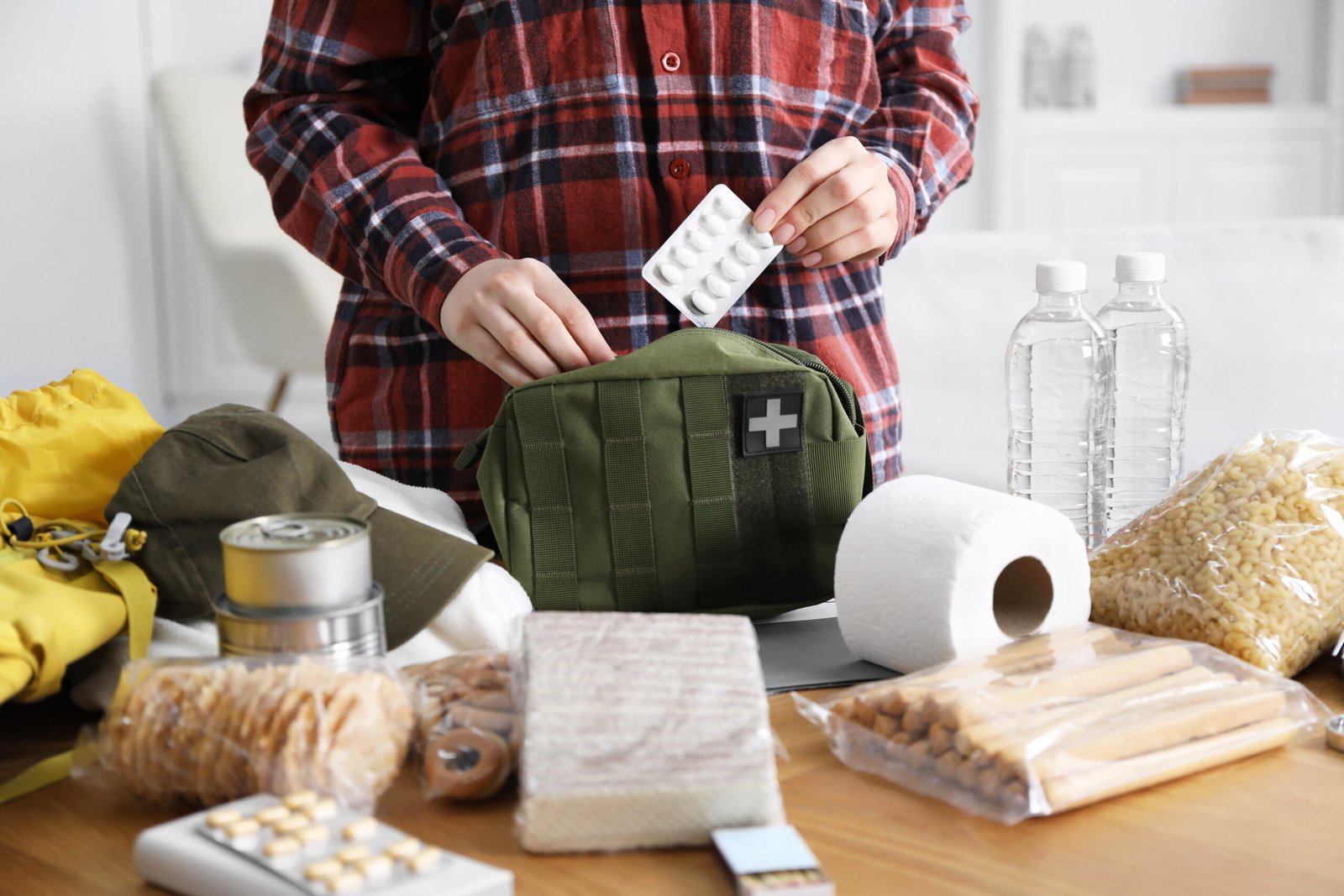
Here is what to do with expired medicines: stop using them, keep them out of the bin and the toilet, and hand them in at any UK pharmacy. Staff will send them off for safe disposal, and it costs you nothing. One quick trip protects your health, keeps kids and pets away from old tablets, and keeps drug residues out of rivers.
Why Out-of-Date Medicines Don’t Belong in Your Cabinet
An expiry date is the last day a manufacturer will vouch for a medicine’s strength and safety. The FDA explains that expired medicines can lose strength or change chemically, and weakened antibiotics may fail to clear an infection, which feeds antibiotic resistance.
But Didn’t a Study Show Expired Pills Last for Years?
Sort of. A 2006 study of military drug stockpiles found that 88% of 3,005 batches could have had their dates stretched by at least a year. But those drugs sat in tightly controlled storage. Your bathroom shelf, with its steamy showers, is no military bunker. Harvard Health also warns that those old tests may say little about newer medicines.
Usually, an out-of-date pill just works less well. That’s a shaky bet when it’s for an infection, a heart condition or an allergic emergency.
How to Dispose of Expired Medicines Safely, Step by Step
The safest route is a pharmacy return. Community pharmacies in England are obliged to accept unwanted medicines, and you can use any of them, even if your order arrived by post.
- Hunt them down. Check the bathroom, the kitchen drawer, the glovebox and that “emergency” stash from 2019.
- Read the date. Look for “EXP” followed by a month and year.
- Keep them in their bottles or blister strips. Recycle the empty boxes at home.
- Black out your name on the label.
- Hand them over at the counter. No fee, and no judgment.
Once medicines leave a pharmacy, they can’t be reused, even if the box was never opened. Handing them in means they get destroyed properly.
Why Binning or Flushing Expired Medicines Is a Bad Idea
A bin is an open house for a curious toddler, a hungry dog, or anyone rummaging. The drain is no better. A global study of pharmaceutical pollution in 258 rivers found drug residues at 1,052 sites in 104 countries, and about a quarter had levels unsafe for aquatic life or worrying for antibiotic resistance. Much of that comes from what our bodies excrete, but tipping leftovers down the sink only adds to it.
Belgium’s federal medicines agency also warns that antibiotic residues in surface water encourage resistance.
What to Do With Different Types of Expired Medicines
Most items go straight to the pharmacy. A few need extra thought.
| Type of medicine | What to do |
| Tablets and capsules | Hand in, in the bottle or blister strip |
| Liquids and antibiotic syrups | Hand in, in the original bottle. Never pour away |
| Eye and ear drops | Hand in. Many eye drops only last about four weeks once opened |
| Inhalers | Hand in, even when empty |
| Needles and sharps | Ask your council or GP surgery about a sharps bin |
| Controlled drugs | Hand in and tell the staff what they are |
An empty inhaler still holds greenhouse-gas propellant. Pharmacies send them for incineration, which breaks the leftover gases down.
Which Expired Medicines Are the Riskiest?
Anything for a serious condition, plus liquids, injectables and eye drops. Antibiotics, insulin and emergency medicines like adrenaline pens and GTN sprays top the list. If yours is out of date, replace it now. In an emergency, call 999.
What If You’ve Already Taken an Expired Tablet?
Usually, nothing dramatic happens. The dose was probably just weaker. If you feel unwell, or it was an antibiotic, insulin or a heart or seizure medicine, call your pharmacist or NHS 111.
How to Stop Expired Medicines Piling Up Again
NHS England’s pharmaceutical waste report estimates that £300 million of NHS medicines are wasted each year, including about £90 million of unused prescriptions sitting in homes. A smaller, fresher supply is safer and easier to track.
- Check before you reorder. Some NHS advice suggests waiting until you have under two weeks’ supply left.
- Set a six-month cabinet reminder.
- Write the opening date on liquids, drops and creams.
- Store medicines somewhere cool and dry, out of children’s reach.
Want more medicine safety tips? Browse the Pharma Drop for practical guides on using and storing your medicines.
Keep Your Cabinet Clean With Pharma Drop
Clearing out your cabinet is half the job. The other half is not refilling it with more than you need. Pharma Drop is the most trusted online pharmacy in the UK for people who want their medicines handled properly, from the first order to the last tablet. Order what you need, watch your dates, and take leftovers to your local pharmacy.
FAQs
Is it safe to take medicine after its expiry date?
Sometimes it won’t harm you, but it may not work. Avoid it for antibiotics, insulin, and emergency medicines.
Can I put expired medicines in the household bin?
No. Bins put them within reach of children and pets. Use a pharmacy.
Can I flush expired tablets down the toilet?
No. Residues reach rivers and can encourage antibiotic resistance.
Where can I take expired medicines in the UK?
Any community pharmacy. It’s free, and it needn’t be the one that supplied them.
Do I need to keep the packaging or leaflet?
No. Keep medicines in their bottles or strips and recycle the boxes at home.
