- Your cart is empty
- Continue Shopping


How Long Does a Pain Reliever Take to Work?
- Uncategorized
- Posted on
-
by
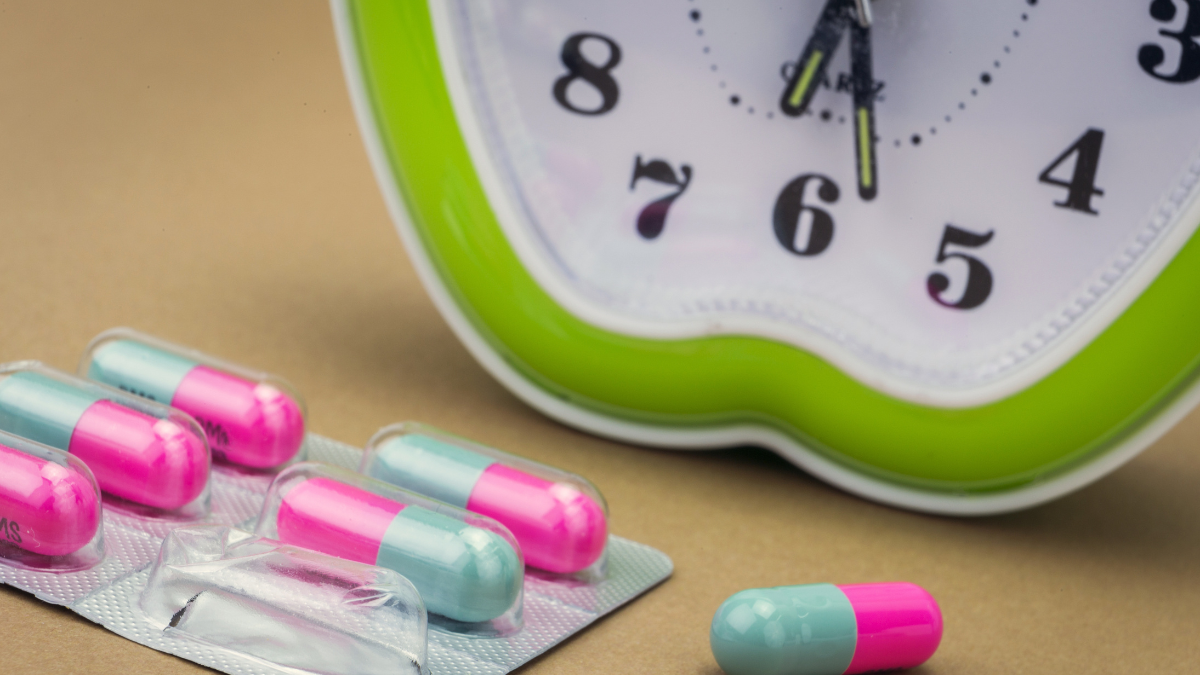
The majority of non-prescription pain drugs start working within twenty to sixty minutes. However, the exact length of time necessary depends on the kind of drug, production technique, and how your body processes it.
Other things that can affect how quickly relief is felt include whether the medicine is taken with food, your metabolism, and how bad the pain is. For instance, liquids or forms that dissolve quickly are often absorbed more quickly than tablets. On the other hand, higher levels of inflammation or chronic pain may need more time or repeated doses to work fully.
How Fast Do Common Painkillers Start Working?
Paracetamol (Acetaminophen): 15–60 Minutes
One of the most common over-the-counter medicines is paracetamol. Standard oral pills usually start to function between 15 and 60 minutes after you take them. Dissolvable versions might start to act as soon as 20 minutes.
Peak effect arrives around 1 to 2 hours after ingestion. If you take it with a full meal, absorption slows noticeably, and you might not feel relief for closer to an hour.
Ibuprofen: 30 to 60 Minutes
Ibuprofen tends to start relieving pain within 30 minutes to 1 hour, with full effect peaking around the 1 to 2 hour mark. Liquid gel capsules are absorbed more rapidly than standard tablets.
Aspirin: 30 to 60 Minutes
Aspirin’s onset is comparable to that of other painkillers. It typically begins working within 30 to 60 minutes when taken orally.
What Slows Down or Speeds Up How Fast Painkillers Work?
Food in Your Stomach
A full stomach is one of the biggest practical factors. Taking paracetamol or ibuprofen after a large meal can double the time before you feel any effect, because the drug competes with food for absorption.
Tablet Form vs. Liquid vs. Dissolvable
Dissolvable and liquid formulations skip the tablet-breakdown step. Orally disintegrating tablets and liquid acetaminophen begin working in approximately 20 minutes because the drug reaches the bloodstream faster.
Age and Metabolism
Older persons often have poorer medication absorption because of decreased stomach acid secretion and changes in digestion. Body weight, renal function, and liver health all influence how soon a medicine works and how long it is effective.
When a Painkiller Doesn’t Seem to Be Working
If you’ve taken a painkiller and feel no relief after 90 minutes, a few things might explain it:
You may have taken it with too much food.
Try taking your next dose with only a small amount of food or water and wait the full hour before reassessing.
The drug may not be the right match for your pain type.
Paracetamol is less effective for inflammatory pain (swelling, joint pain, muscle injury) compared to NSAIDs. If your pain has a strong inflammatory component, ibuprofen or naproxen may serve you better.
The pain may need a different approach altogether.
Some pain (nerve pain, chronic musculoskeletal pain) responds poorly to standard OTC medications.
You may have built a tolerance or have an absorption issue.
People who take painkillers frequently may find that effectiveness decreases over time.
FAQs
-
How Long Do Painkillers Last in Your System?
The duration painkillers remain in your system depends heavily on the type of medication, its half-life, and individual factors like your metabolism and hydration levels.
2. How Can I Make Painkillers Kick In Faster?
To make painkillers kick in faster, take them with a full glass of water on an empty stomach (roughly 30 minutes before eating), as food can act as a physical barrier that slows absorption.
3. How Soon Can I Take Another Pain Reliever Dose?
Wait 4 to 6 hours for ibuprofen and 4 to 8 hours for acetaminophen, and never exceed daily guidelines to avoid overdose.
4. When Do Pain Relievers Reach Full Strength?
Most oral pain relievers hit peak effectiveness in 1-2 hours, with anti-inflammatory benefits taking up to 24 hours.
5. What Are the 5 Strongest Painkillers?
The 5 strongest painkillers are:
- Carfentanil (synthetic drug)
- Fentanyl (synthetic opioid)
- Hydromorphone (powerful opioid)
- Oxymorphone (strong opioid)
- Oxycodone (potent semi-synthetic opioid analgesic)