- Your cart is empty
- Continue Shopping


Is It Safe to Mix Anxiety Medication With Alcohol?
- Pharmacy
- Posted on
-
by pharma_adm_z7x
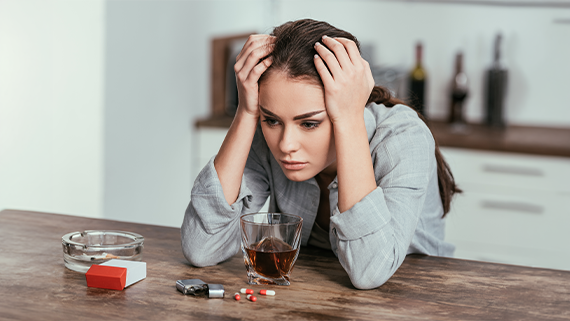
Mixing anxiety medication with alcohol is not safe. Whether you take benzodiazepines, SSRIs, SNRIs, or buspirone, alcohol interferes with how these medications work in your brain and body. The combination can slow your central nervous system to dangerous levels, worsen anxiety over time, and in some cases become life-threatening.
How Alcohol and Anxiety Medications Interact in the Brain
Alcohol is a central nervous system depressant. So are most anxiety medications, particularly the benzodiazepine family, which includes medications like diazepam, lorazepam, and alprazolam. When you take both at the same time, you are essentially doubling down on the same mechanism.
Both substances increase the effect of GABA while suppressing the signals that keep you alert and responsive.
Why Benzodiazepines Carry the Highest Risk When Combined With Alcohol
If you are prescribed a benzodiazepine for anxiety, this is the combination that warrants the most serious attention. Both substances depress the central nervous system, and together they can suppress the part of the brain that regulates breathing.
People often underestimate this risk because they feel fine in the short term. Tolerance to benzodiazepines can build up, which gives a false impression that the combination is manageable. But tolerance to the sedative effects does not translate to tolerance to respiratory suppression. That is where the real danger sits.
What Happens to Your Body in the Hours After Mixing
- Coordination and reaction time deteriorate much faster than with either substance alone
- Breathing can slow to unsafe levels
- Blood pressure may drop suddenly
- Memory blackouts become far more likely
- The liver becomes metabolically overloaded
- Nausea and vomiting increase, creating an aspiration risk if sedation is deep
The Longer-Term Problem: Alcohol Makes Anxiety Worse Over Time
Beyond the immediate physical risks, there is a pattern that clinicians see regularly. People with anxiety sometimes use alcohol to take the edge off because it works in the short term. Alcohol activates the same calming receptors that anxiety medications target, so there is a genuine, if temporary, sense of relief.
The problem is what happens when the alcohol wears off. Do this regularly, and your baseline anxiety actually increases.
Get Your Anxiety Medication Safely and Reliably
Pharma Drop is the UK’s most trusted online pharmacy for prescription and over-the-counter medications. Our registered pharmacists are available to answer your questions about medication safety, interactions, and dosage, so you never have to guess.
Practical Questions People Ask
Can You Have Just One Drink on Anxiety Medication?
It depends on your specific medication, your dose, your individual metabolism, and how long you have been taking the drug.
Is it dangerous to drink on diazepam or other benzodiazepines?
Yes. Alcohol intensifies diazepam’s sedative effect and can slow breathing to a dangerous level.
What If You Drank Before You Realised You Had to Take Your Medication?
If you have already had alcohol and your medication time comes around, speak to your pharmacist or prescriber. Do not do anything based on general advice.
Can you become addicted to anxiety medication faster if you drink regularly?
Regular alcohol use alongside benzodiazepines can accelerate dependence on both substances.
