- Your cart is empty
- Continue Shopping


Can I Drink Alcohol While Taking Medicine?
- Uncategorized
- Posted on
-
by pharmadrop
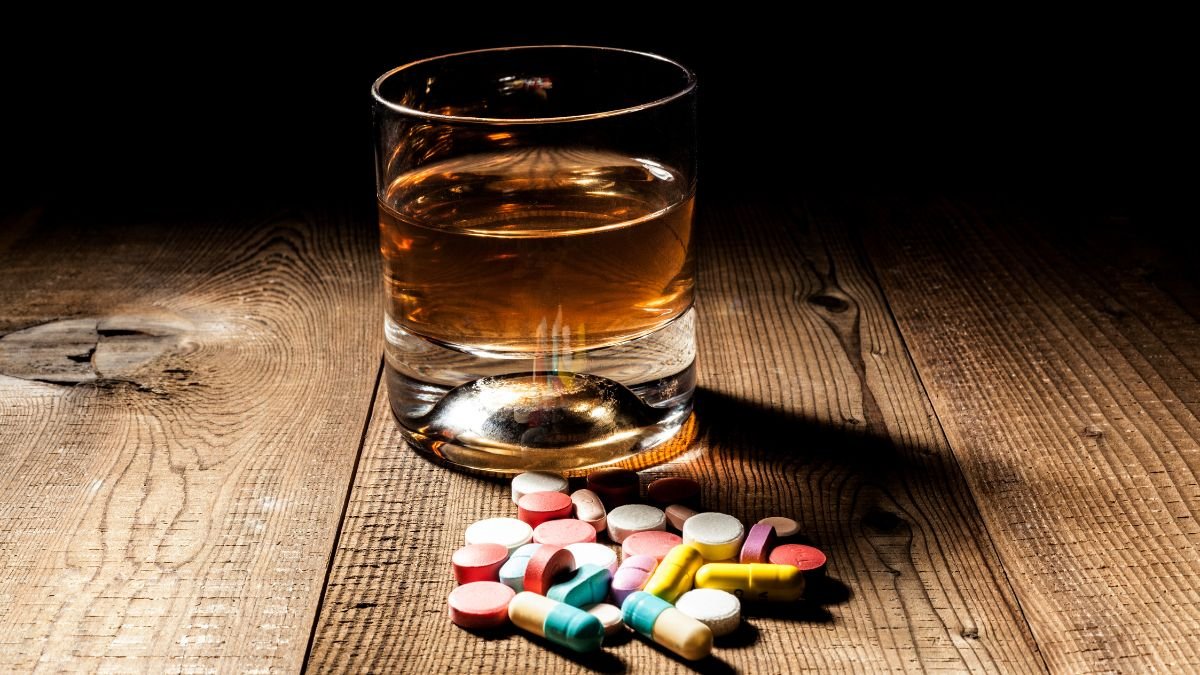
The short answer is: it depends on the medicine. But in many cases, mixing alcohol and medication can be risky or even dangerous.
Alcohol can interact with drugs in several ways: it may intensify a medication’s sedative effects, cause toxic liver strain, and trigger other severe reactions. You should always check the warning label or consult your pharmacist to understand the specific risks for your prescription.
What Happens if I Drink Alcohol While Taking Medication?
When you drink alcohol, your body processes it through your liver, the same organ that breaks down most medications. When both arrive at the same time, they compete for the same enzymes. This can go wrong in a couple of ways.
Your Medication May Stop Working Properly
Alcohol can change how quickly your body absorbs or processes a drug. Sometimes it speeds things up, causing the medicine to leave your body too fast. Other times it slows things down, letting the drug build up to unsafe levels in your blood. Either way, the medication may not do its job properly.
Side Effects Can Get Much Worse
Many drugs already cause side effects like dizziness, drowsiness, or nausea. Alcohol amplifies these effects. For example, if your medication makes you sleepy, adding alcohol can make you dangerously drowsy.
The interaction of medicine and alcohol can cause serious health problems, especially in older adults, whose bodies process both alcohol and drugs more slowly.
Your Liver Takes Extra Damage
Your liver works hard to filter both substances. Doing both at once puts extra stress on it. Over time, this can lead to liver damage.
Blood Pressure and Heart Rate May Spike or Drop
Some medications affect your cardiovascular system. Alcohol does too. Together, they can cause your blood pressure or heart rate to behave unpredictably.
Which Medication Does Not Allow You to Drink Alcohol?
Some medications have a strict no-alcohol rule. Here are the most important categories to know about:
Antibiotics
Mixing antibiotics with alcohol causes a severe reaction, flushing, vomiting, rapid heartbeat, and a throbbing headache.
Painkillers and Opioids
Opioids combined with alcohol are extremely dangerous. Both slow down your central nervous system. Together, they can suppress your breathing to the point where it stops.
Antidepressants and Mental Health Medications
SSRIs and SNRIs can cause increased sedation and worsened depression symptoms when mixed with alcohol. Alcohol is itself a depressant, making it counterproductive for anyone managing a mental health condition.
Precautions to Take When You Are on Medication
Even if your medication doesn’t have a hard no-alcohol rule, being careful is always the right move.
Always Read the Medication Label First
Every prescription and over-the-counter medication comes with a label or information leaflet. Look for phrases like “avoid alcohol.” If you see any of these, treat it as a firm warning.
Talk to Your Doctor or Pharmacist
Your pharmacist is one of the most accessible healthcare professionals you have. Before you take any new medication, ask them directly: “Is it safe to drink alcohol with this?” They can give you a clear answer.
Don’t Assume “It’s Just One Drink” Is Safe
One drink may seem harmless, but for some medications, even a small amount of alcohol can trigger a reaction.
Alcohol is fine for many healthy adults in moderation, but the moment medication enters the picture, the rules change. The safest approach is to stay informed. You can connect with the expert pharmacist at Pharma Drop for further recommendations.
