- Your cart is empty
- Continue Shopping


Digital Healthcare Revolution: Why Online Consultations Are the Future
- Pharmacy
- Posted on
-
by pharmadrop
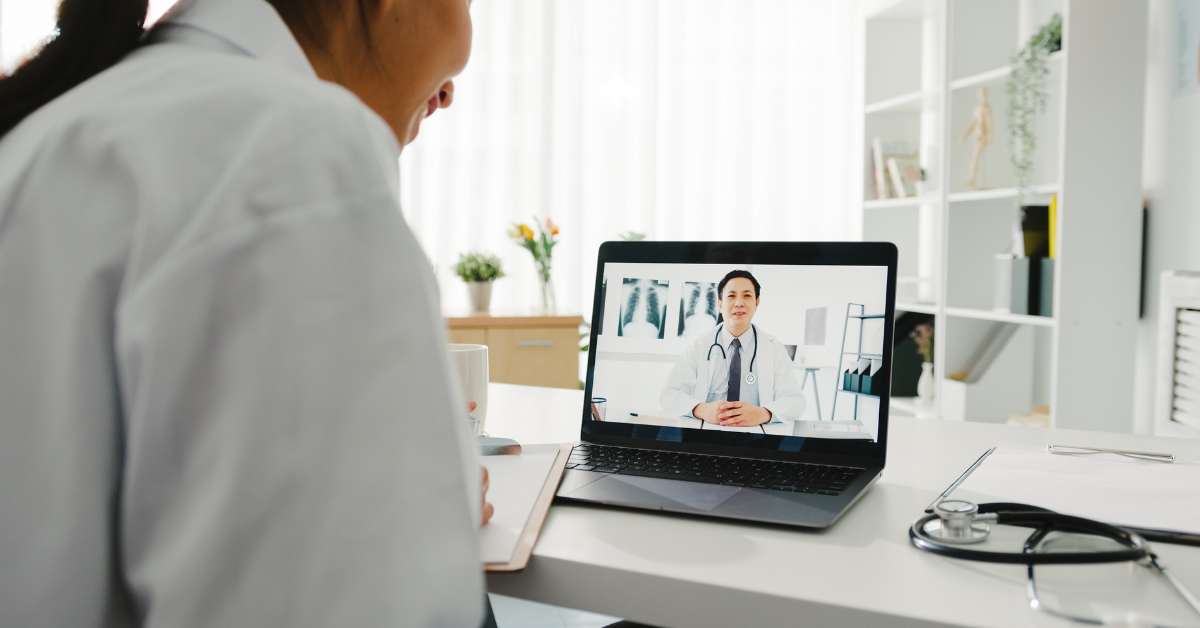
Over the past decade, the healthcare sector has witnessed a profound transformation driven by technology, connectivity, and changing patient expectations. Among the most notable developments is the rapid adoption of online consultations, a digital healthcare model that allows patients to connect with doctors through video calls, chat, or telemedicine platforms. What was once considered an alternative is now becoming the preferred choice for millions. The digital healthcare revolution is well underway, and online consultations are at its center.
In this blog, we explore why online consultations are reshaping the future of healthcare. Some of the factors are given below:
1. Convenience and Accessibility Like Never Before
One of the strongest reasons online consultations are gaining popularity is their unmatched convenience. Traditionally, visiting a doctor involved traveling to a clinic, waiting in long queues, and dedicating several hours of the day. For many, especially those in rural areas, elderly patients, or individuals with mobility issues, visiting a hospital could be a significant challenge.
Online consultations eliminate these barriers. Patients can speak to a licensed doctor from the comfort of their own home, office, or even while traveling. This accessibility is particularly crucial for people who are:
- People living in remote areas with limited access to qualified doctors
- Working professionals who struggle to find time for hospital visits
- Elderly patients who face mobility issues
- Parents needing quick advice for their children
- Patients requiring follow-up consultations without needing a physical checkup
This level of accessibility marks a new era where healthcare truly becomes available to all. Online consultation makes it possible for all kinds of patients to meet the doctor, even for those who are suffering too much to travel.
2. Saving Time Without Compromising Care
In today’s fast-paced world, time is a valuable resource, and traditional clinical visits can be exceptionally time-consuming. Online consultations significantly cut these time costs by allowing patients to book appointments instantly and connect to a doctor at a scheduled time often within minutes. Online consultations are executed more timely, and they end on time as well so the next patient in que does not have to wait.
This time efficiency benefits both patients and doctors. Healthcare professionals can manage their schedules better, reduce clinic crowding, and offer more flexible timings, especially for follow-up visits. At the same time, patients avoid:
- Long queues
- Traffic and travel time
- Waiting room delays
- Rescheduling hassles
Patients receive the medical attention they need promptly, with no compromise on the quality of care. Patients who are suffering, it is difficult for them to wait in the long queues to see the doctor.
3. Enhancing Healthcare Capacity and Reducing System Burden
Hospitals and clinics in many countries, especially in developing regions, struggle with overcrowding and limited resources. Online consultations help reduce this burden by shifting non-emergency cases to digital platforms.
This allows healthcare facilities to focus more on critical patients who require in-person examinations, surgeries, or emergency care.
This hybrid model increases the capacity of healthcare systems, prevents unnecessary delays, and ensures that hospitals operate more efficiently.
4. Cost-Effective for Both Patients and Providers
The economic aspect of online consultations is another major reason behind their rise. For patients, online appointments often cost less than traditional visits because there are no overhead expenses such as hospital facility usage, transportation costs, or long waiting times.
For medical professionals, telemedicine reduces operational costs, including
- Clinic staffing
- Rental or facility expenses
- Administrative overload
This cost-efficiency encourages more doctors and hospitals to adopt telemedicine services. As infrastructure improves and adoption increases, online consultations are becoming a sustainable long-term model for the entire healthcare ecosystem. When the costs are low, the fees for the patients are also affordable.
5. Better Management of Chronic Conditions
Chronic diseases such as diabetes, hypertension, asthma, and heart conditions require continuous monitoring and regular follow-ups. Online consultations make this process much easier and more effective.
With digital tools, patients can share:
- Blood pressure readings
- Glucose levels
- Medication adherence
- Sleep and activity data
- Lab test results
Doctors can review this data in real time, provide timely advice, adjust medications, and help patients stay on track with their treatment plans.
This shift from reactive to proactive care greatly improves patient outcomes and helps prevent complications.
6. Expanding Access to Specialists
Not every city or town has specialist doctors. In fact, many patients travel long distances to consult specialists such as cardiologists, neurologists, dermatologists, or psychologists.
Online consultations solve this problem by connecting patients with specialists regardless of geographical boundaries. This allows patients to access:
- Better medical expertise
- Second opinions
- Niche specialties
- Mental health professionals
This expansion of access results in quicker diagnoses, more accurate treatment plans, and improved patient confidence. Patients through online consultations can also access global and international doctors.
7. Privacy, Safety, and Comfort
For many people, discussing personal medical issues in a crowded clinic can feel uncomfortable. Online consultations provide a safe and private space, especially for:
- Mental health counseling
- Dermatology issues
- Gynecological concerns
- Men’s health topics
Patients feel more relaxed and open when consulting from their home, which often leads to more honest communication and better treatment outcomes.
The access to doctors online also reduces the risk for patients to catch infections.
8. Integration of Technology for Smarter Healthcare
The future of healthcare is not just online consultations, it’s smart healthcare, driven by artificial intelligence (AI), wearable technology, and digital health records.
Modern telemedicine platforms already include features like:
- AI-powered symptom checkers
- Digital prescriptions
- Automated follow-up reminders
- Electronic health records (EHRs)
- Integration with fitness and health apps
As technology improves, online healthcare will become even more intelligent. For example:
- Wearables can track vital signs 24/7
- AI can help detect early symptoms of diseases
- Remote monitoring devices can alert doctors in emergencies
- Patients will have instant access to their entire medical history
This marks a shift from episodic care to continuous, data-driven healthcare.
9. Increasing Patient Satisfaction
Studies across various telemedicine platforms show a growing trend: patients love the experience. Higher satisfaction levels come from:
- Faster access to doctors
- Reduced costs
- Convenient scheduling
- More personalized digital interactions
- Transparent medical records
Online consultations make healthcare feel more human-centered by giving patients control over their health journey.
10. The Future: A Hybrid Healthcare System
While online consultations offer numerous benefits, they do not replace physical examinations entirely. For some conditions like XRAYS, Scans and blood tests, patients have to visit the facility.
However, the future lies in a hybrid model where:
- Routine care happens online
- Diagnostic and emergency care happens in hospitals
- Follow-ups and chronic care are managed digitally
- Smart devices support monitoring at home
Alongside other services offered online, online consultation in the UK has evolved in the UK quickly. People prefer to see doctors online and then use online pharmacies like Pharmadrop to order the medications.
