- Your cart is empty
- Continue Shopping


How to Build a Simple Home First-Aid Routine
- Uncategorized
- Posted on
-
by pharmadrop
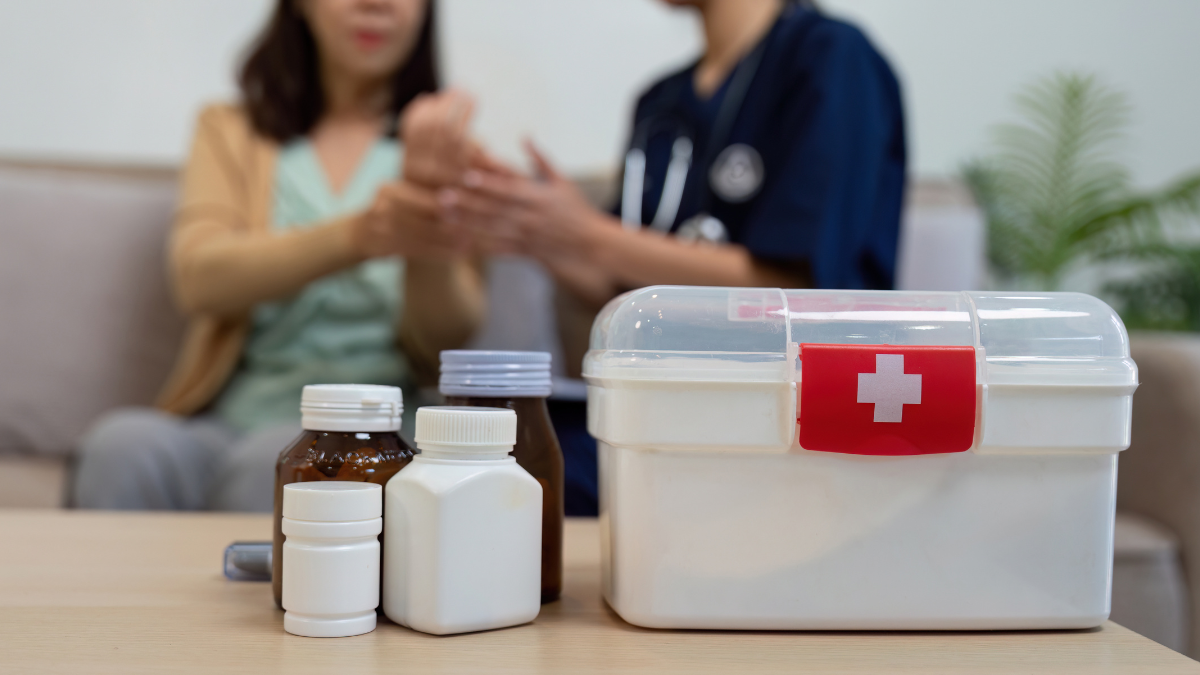
You might not realise the importance of having a first-aid routine, but it is incredibly useful if an emergency accident comes up. It’s less about having a hospital-grade pharmacy and more about accessibility, maintenance, and basic knowledge.
Here is a simple blueprint to get your household prepared.
Have The Essential Kit Always Ready
Don’t feel pressured to buy a massive, pre-made kit full of things you don’t recognise. You can build a highly effective one with these categories:
| Category | Must-Haves |
| Wound Care | Various-sized adhesive bandages, sterile gauze pads, medical tape, and antiseptic wipes/spray. |
| Tools | Tweezers (for splinters), sharp scissors, a digital thermometer, and disposable gloves. |
| Medications | Pain relievers, antihistamines for allergies, and hydrocortisone cream for stings/rashes. |
| Extras | Instant cold packs, hand sanitiser, and a basic first-aid manual. |
Quick Tip: The “Go-Bag” Logic
If you spend a lot of time in your car or hiking, consider making a “mini-version” of your home kit. A small pouch with just bandages, wipes, and Ibuprofen can save a day out from being cut short.
Establish “The Spot” For Storing First Aid Supplies
Consistency is key. If half the supplies are in the bathroom and the rest are in the laundry room, you’ll lose precious time during a minor emergency.
- Centralised Location: Keep everything in one clearly labelled, water-resistant container.
- Accessibility: Ensure all adults and older children know where it is, but keep it high enough to be out of reach for toddlers.
- Portability: Use a container with a handle so you can bring the kit to the person who is hurt, rather than making them move.
Create Your Home First Aid Routine Checklist
Print and laminate a checklist that lives inside your kit so it’s always accessible, easy to read, and protected from water or damage. This ensures anyone can quickly understand what’s inside and how to use it during an emergency, even under stress. Include clear headings and keep the layout simple so it can be scanned at a glance.
It must include:
- Expiration dates for all medications and ointments
- Emergency contact numbers (doctor, poison control, nearby hospital)
- Each family member’s allergies and medications
- Quick reference guides for common injuries
Home Safety Tips That Prevent Injuries
The best emergency care basics involve not needing emergency care at all. Simple prevention strategies include:
- Securing loose rugs that cause trips
- Installing grab bars in bathrooms
- Keeping stairways well-lit and clutter-free
- Storing cleaning products and medications out of children’s reach
- Using step stools instead of chairs for reaching high places
How to Create an Easy First Aid Plan for Families?
Knowledge and supplies don’t help much if everyone panics. Your household first aid tips should include actual practice.
Once a season, gather everyone for 15 minutes and practice these steps:
- Show younger kids how to apply bandages to stuffed animals
- Practice calling emergency services
- Demonstrate how to use the thermometer
- Quiz each other on where supplies are located
Know When Home Care Isn’t Enough
Part of building a responsible home first aid routine is recognising limitations. Seek professional medical care immediately for:
- Deep cuts that won’t stop bleeding after 10 minutes of pressure
- Burns larger than three inches or on the face, hands, or genitals
- Suspected broken bones
- Head injuries with loss of consciousness, confusion, or vomiting
- Difficulty breathing
- Allergic reactions causing swelling or breathing problems
- Any injury you’re uncertain about
There’s no prize for toughing it out when someone needs real medical attention.
Take Care of the Vulnerable Groups
Older adults, pregnant people, and those with chronic conditions face higher risks from interactions or overlap. Consult the online pharmacies in the UK for personalised advice, particularly with supplements.
Moving Forward With Confidence
Building a simple home first aid routine isn’t about preparing for worst-case scenarios or living in fear. It’s about practical preparedness that gives you confidence to handle life’s inevitable bumps and bruises.
Start today. Spend 30 minutes gathering basic supplies into one container. Print an emergency contact list. Show your family where everything lives. That’s it! You’ve built the foundation of an effective home emergency care routine.
If you need to buy medicines online in the UK, you can easily get them from Pharma Drop. We have a wide range of trusted, high-quality over-the-counter medicines, all available in one place. From pain relievers to antiseptics and daily health supplies, Pharma Drop ensures quick delivery, reliable products, and convenience.
