- Your cart is empty
- Continue Shopping


How to Cure Minor Illnesses at Home Safely?
- Uncategorized
- Posted on
-
by pharmadrop
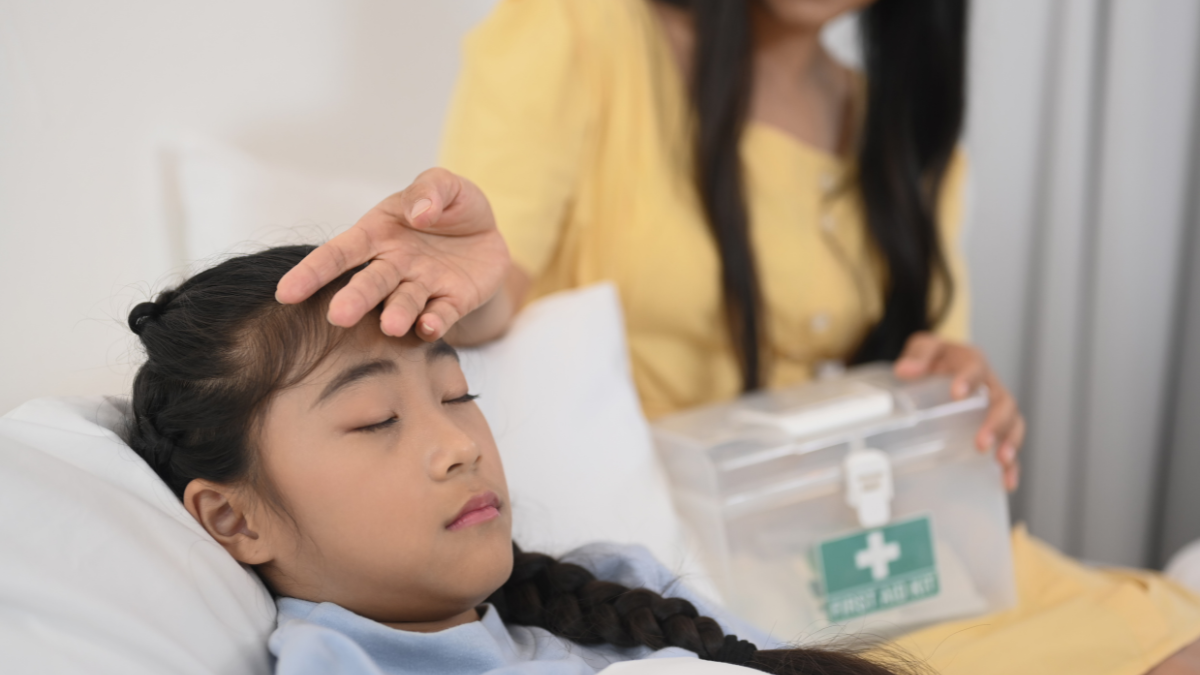
You can easily cure minor illnesses like colds, sore throats, or upset stomachs at home. Some quick tips include:
- Taking proper rest
- Hydrating yourself with plenty of fluids (such as water, herbal teas like ginger or peppermint)
- Gargle warm salt water (1 tsp salt in a glass) for throat relief
- Honey in warm lemon water for a cough
- Eat light foods like bananas or rice for nausea
But that’s not all. There are some more effective tips to manage these diseases at home safely.
What Are Minor Illnesses That You Can Treat at Home?
Not every illness needs a prescription. Many everyday conditions are mild enough to recover from with proper home care. So what kinds of minor illnesses can you treat at home without worry?
The most common ones include the common cold, mild flu symptoms, low-grade fever (below 38.9°C in adults), sore throat, mild stomach upset or nausea, mild diarrhoea, minor headaches, and general body aches and tiredness. These are conditions that you can easily treat without any specialised medical attention.
However, you must note that home treatment works best when the illness is recent, mild, and not getting worse. If you’re unsure whether what you’re dealing with qualifies as “minor,” the general rule is straightforward: if it significantly limits your ability to breathe, eat, or stay alert, see a doctor. Otherwise, you can treat it at home.
General Safety Rules Before Treating Illness at Home
Even if you are taking medicines for a slight fever or cough, you should take necessary precautions beforehand.
Know what you’re treating: Don’t start treating symptoms you haven’t actually identified. A fever can mean many things. A cough can mean many things. Take a moment to observe all your symptoms together.
Check the labels on any medication you take: This sounds obvious, but it’s one of the most commonly skipped steps. Many people accidentally double-dose on the same ingredient because they take two different products that both contain the same ingredient.
Talk to your doctor before combining supplements or herbal remedies with prescription medications: Certain natural remedies can interact with medications you’re already taking. It is important to get consultation from health experts.
Set a mental “check-in” timeline: Decide in advance that if you are not improving in 3–4 days, you will contact the doctor. Having a mental deadline prevents you from letting something treatable at home quietly turn into something more serious.
Home Remedies for Common Cold and Flu
Treating a cold or flu at home is simple.
Stay Hydrated
Flu and colds can leave you more dehydrated, especially if you have a fever, runny nose, or diarrhoea. Water is fine, but warm broths, herbal teas, and diluted juices are excellent choices too. Avoid caffeinated drinks and alcohol when you’re sick. They can make the dehydration worse.
Steam and Humidity for Congestion Relief
Breathing in warm, moist air helps ease that uncomfortable stuffiness and soothes a raw throat. A steamy shower works well, even if you just turn the shower on and sit in the bathroom for 10 minutes without getting in.
Immune Support
Vitamin C-rich foods like citrus or berries aid immune function, though more effective for prevention. Rest, over-the-counter pain relievers and saline sprays promote recovery without risks.
Treat Fever Safely at Home
Treating fever at home means you have to just rest, take some painkillers and eat healthy foods. Your immune system will fight the disease on its own.
Cooling Techniques
Take lukewarm baths or sponge baths (not cold) on the forehead, wrists, chest, and groin to gently lower the temperature without shivering. Wear lightweight, breathable clothing and use a fan for air circulation; add a humidifier to ease breathing. Rest in a cool room and avoid heavy blankets during chills.
Eat Nutrient-Rich Foods
Eat light, nutrient-rich foods like soups with ginger or garlic for anti-inflammatory benefits, or vitamin C sources such as lemon water. Ensure that you take proper rest, even if you have taken OTC meds to reduce discomfort.
When Does a Fever Need a Doctor?
This is where many people get unsure, and it’s worth being clear:
- Adults: Seek medical care if your fever reaches 39.4°C or above, lasts more than three days, or comes with symptoms like severe headache, stiff neck, confusion, or difficulty breathing.
- Children: Call a doctor if your child is under 3 months old with a fever lasting more than two days with no clear cause, or shows signs of dehydration, like dry mouth, no tears when crying, or noticeably less urination.
- All ages: If symptoms improve and then suddenly get worse, that’s a red flag.
If your doctor prescribes a medicine, you can order it from Pharma Drop at discounted prices. Our expert pharmacists carefully review every order to ensure you receive genuine, high-quality medicines with proper guidance. We also offer convenient home delivery, so you never have to worry about visiting multiple pharmacies.
