- Your cart is empty
- Continue Shopping


How to Manage Pain After an Injury or Surgery
- Uncategorized
- Posted on
-
by pharma_adm_z7x
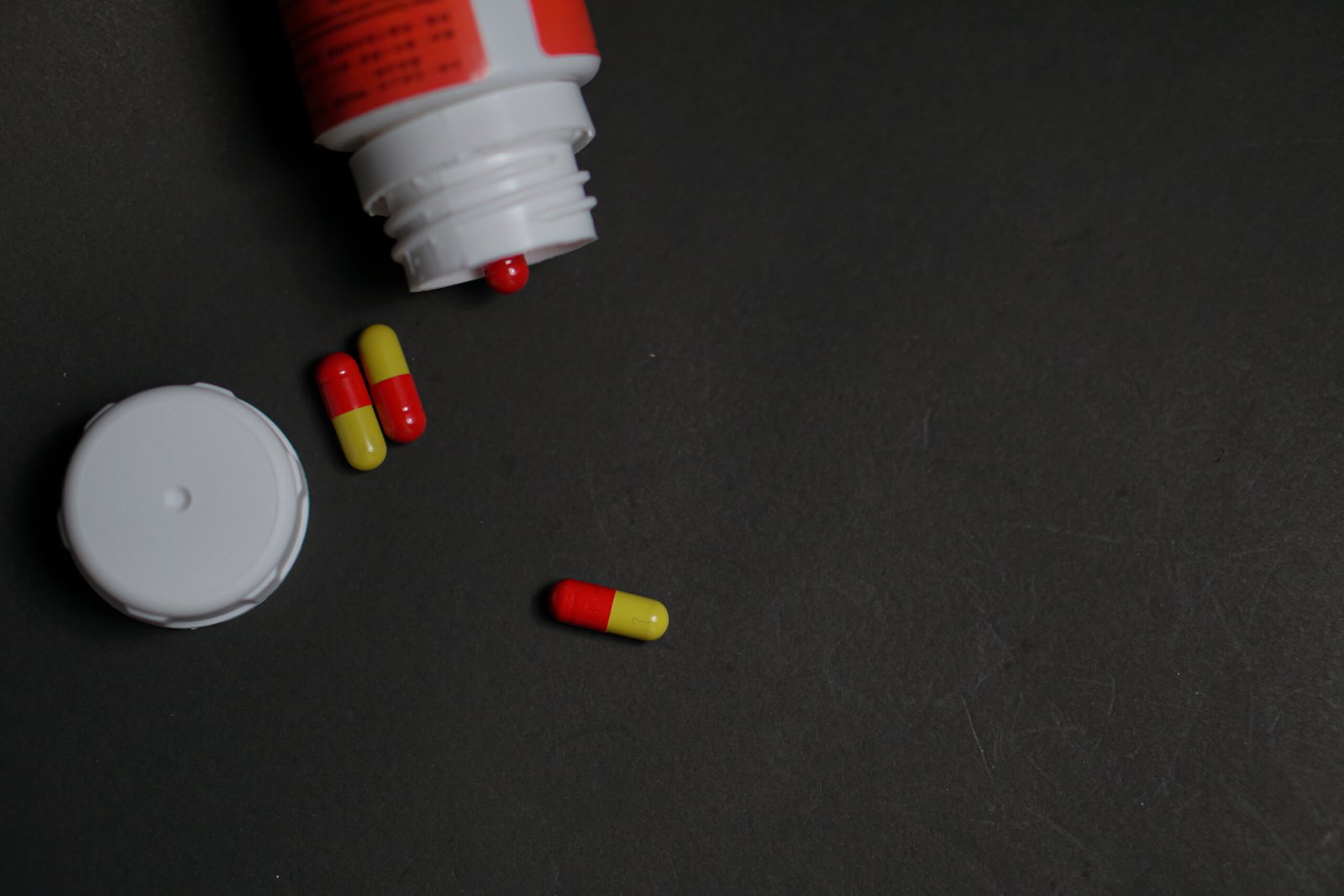
Pain after surgery or after an injury is pretty normal. But that still does not make you powerless against it. The most effective approach for managing your pain after surgery includes the following:
- Properly timed medication
- Non-drug strategies
- Gentle movement
- Mental techniques
Practical Tips for Managing Pain After Surgery
These evidence-based physical strategies work best alongside medication treatments.
Positioning and Elevation
In the early days, keeping the affected area a little higher seems to really help; it can reduce the fluid buildup and ease the swelling and pain later on. For abdominal surgery, you can try placing pillows under your knees.
Gentle Movement
With your medical team’s clearance, sitting up, short walks around the room, and gentle movement are usually encouraged. It helps circulation, can reduce clot risk, stops muscle wasting, and over time it can also ease pain.
Common Medication Options Are
| Option | Best Use |
| Acetaminophen/paracetamol | Mild-to-moderate pain; often used on a regular schedule |
| NSAIDS | Pain with inflammation/swelling |
| Opoids | Severe pain or pain not controlled by non-opioids |
| Nerve-pain medicines | Nerve-related or persistent surgical pain, when appropriate |
| Regional Anesthesia | Often used during/soon after major surgery |
Practical Approach
- Ask your surgical team whether you can safely take acetaminophen with an NSAID together.
- If an opioid is prescribed, then take the least effective dose for the smallest span of time. Don’t mix prescription opioids with alcohol, sleep medicines or anxiety medicines.
- Just follow your surgeon’s directions quite closely, because there may be specific procedures where it’s better to avoid NSAIDs entirely.
When to Contact Your Healthcare Experts
Get urgent advice if you have uncontrolled pain even after your prescribed medication, plus fever, redness around a wound that seems off.
Also, seek help right away if you’re short of breath, if you feel chest pain, can’t stop severe vomiting, or you seem confused. These can be a big sign of complications happening, so don’t wait too long.
Warning Signs: When Post-Surgical Pain Needs Urgent Attention
Not all post-surgical pain is normal recovery. Some signal a complication that needs prompt attention.
Contact your surgical team or GP if you notice:
- Pain that starts to get much worse, not really better, after those first few days, and you feel it more day by day.
- Fever above 38°C with pain around the affected body part.
- Redness or discharge around the wound
- Swelling that spreads suddenly or dramatically
- Chest pain or breathlessness, particularly after lower limb surgery
- Numbness or tingling that is worsening rather than settling
The Mental Side of Pain Recovery
Your anxiety levels, emotional state, and perception of the situation all affect how intensely you feel pain.
Practical approaches are:
- Deep breathing tends to switch on your parasympathetic nervous system, which kind of turns down the stress machinery that can make pain feel louder.
- Activities like listening to music, audiobooks, or even casual light talking really do change how strongly pain gets registered. It’s almost like the brain pays more attention to some stuff and less to other stuff, depending on what you’re doing.
- Realistic expectations, knowing what pain level is considered normal for your own procedure, can lower the fear reaction quite a lot.
Next Step: Use the Right Pain Relief Medication
Having a solid pain management plan after surgery only works if you can actually get your medications on time. Pharma Drop is one of the UK’s trusted online pharmacies for ordering prescription and OTC pain reliever medicines.
Pharma Drop gives you a simple, regulated, and discreet way to get medications.
Frequently Asked Questions: Pain Management After Surgery and Injury
How long is pain after surgery considered normal?
Most post-surgical pain improves gradually over two to six weeks.
Should I take pain medication before the pain gets bad?
Yes. Taking prescribed medication on a regular schedule is a better approach.
Does movement actually help with pain after surgery?
For most procedures, yes. Early gentle movement, with your medical team’s approval, reduces stiffness and supports blood flow too.
When should I go back to the doctor about post-surgery pain?
If the pain gets more intense instead of calming down, reach out to your healthcare experts early.
