- Your cart is empty
- Continue Shopping


What to Do When You Can’t Sleep Because of Anxiety?
- Uncategorized
- Posted on
-
by
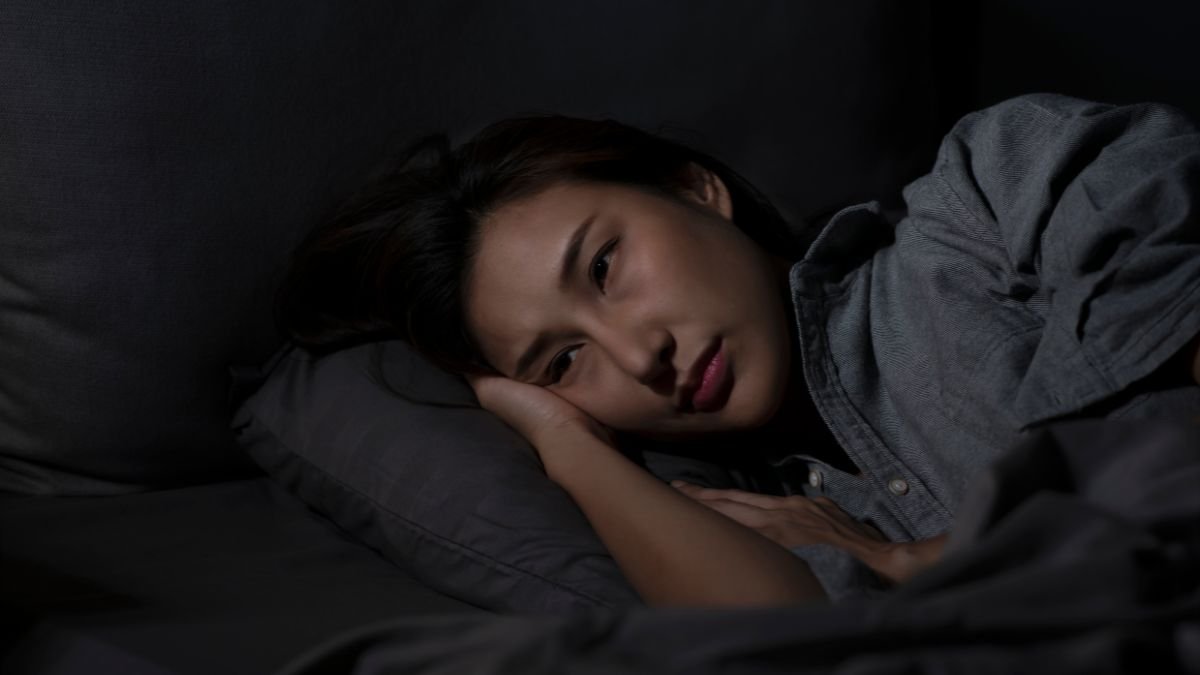
It is incredibly frustrating to be exhausted but unable to rest because your mind is racing. When anxiety keeps you awake, it often creates a “sleep-anxiety cycle”. You are anxious, so you can’t sleep, and then you’re anxious about the fact that you aren’t sleeping.
Anxiety activates your body’s fight-or-flight response, raising cortisol and keeping your brain alert when it should be winding down. The most effective way to treat sleep-related anxiety is to use calming techniques, medications, and sleep hygiene practices simultaneously.
Common Sleep Anxiety Symptoms You Shouldn’t Ignore
Sleep anxiety symptoms include racing thoughts at bedtime, difficulty falling asleep despite feeling tired, frequent waking during the night, a sense of dread about going to bed, physical tension, and shallow breathing. Many people also experience what’s commonly called “anticipatory anxiety” about sleep itself.
Anxiety disorders are among the most common conditions associated with chronic insomnia, affecting tens of millions globally. So, you are not alone in it, and this condition is surely curable.
How to Calm Anxiety at Night Naturally
The most effective natural ways to manage anxiety at night are controlled breathing, progressive muscle relaxation, and limiting stimulation.
-
4-7-8 Breathing to Slow a Racing Heart
The 4-7-8 breathing method works by extending the exhale, which activates the parasympathetic nervous system and lowers heart rate.
Here’s how to do it:
- Inhale through your nose for 4 counts
- Hold your breath for 7 counts
- Exhale fully through your mouth for 8 counts
- Repeat 4 cycles
A study in Frontiers in Psychology found that slow-paced breathing at around 6 breaths per minute significantly reduces anxiety and sympathetic nervous system activity.
2. Progressive Muscle Relaxation for Physical Tension
Progressive muscle relaxation (PMR) reduces physical anxiety symptoms by systematically tensing and releasing muscle groups.
3. Limiting Blue Light and Mental Stimulation Before Bed
Blue light from screens suppresses melatonin production for up to 3 hours after exposure. Mental stimulation (news, social media, emotionally loaded conversations) keeps cortisol elevated.
So, you have to make sure that you have a healthy night routine where you relax and wind down after a long day of work.
Can Anxiety Cause Ongoing Sleep Problems? And How Serious Is It?
Yes, anxiety can directly cause chronic insomnia. The relationship is neurological. Anxiety keeps the amygdala (the brain’s threat-detection centre) in a heightened state, making the transition from wakefulness to sleep physiologically difficult. Over time, this creates conditioned arousal: your bed becomes associated with wakefulness and worry rather than rest.
What are the Medical Options for Sleep Anxiety?
When natural approaches have been consistently tried, and sleep remains severely disrupted, you can go for medication. But make sure that it is under the guidance of a healthcare specialist.
Lorazepam for Acute Anxiety and Sleep
Lorazepam, a type of benzodiazepine, works by boosting GABA activity in the brain, which quickly calms anxiety and promotes sleep. It’s typically prescribed for short-term relief of acute anxiety and sleep problems.
Nitrazepam for Anxiety-Driven Insomnia
Nitrazepam is another benzodiazepine, mainly used for insomnia when anxiety plays a role. It can help you fall asleep faster and reduce waking up during the night.
Both medications require a valid prescription and should only be used under medical supervision.
Next Step: Where to Access Anxiety and Insomnia Medication Safely?
If you’ve worked through lifestyle changes and natural interventions and still struggle, speaking to a doctor about short-term pharmacological support is the best next step.
Pharma Drop is a reliable online pharmacy where, with proper prescription verification, you can access medications for anxiety and sleep, including Lorazepam and Nitrazepam.
The most important thing to understand is that sleep anxiety is treatable with the right combination of behavioural, cognitive, and, when necessary, pharmacological tools. Start with the behavioural layer, build the cognitive layer, and reach out for medical support when the situation calls for it.
FAQs: Managing Anxiety-Induced Insomnia
-
Should I stay in bed even if I can’t fall asleep?
No. If you haven’t fallen asleep after about 20 minutes, get out of bed. This is known as stimulus control. If you stay in bed while anxious, your brain begins to associate the bed with stress and wakefulness rather than rest.
2. Can a weighted blanket help with anxiety at night?
For many, yes. Weighted blankets provide “deep pressure stimulation,” which can increase serotonin and melatonin levels while decreasing cortisol.
3. Why does my anxiety feel worse at night than during the day?
During the day, you have distractions (work, chores, conversation). At night, those distractions vanish, leaving you alone with your thoughts. Additionally, your body’s natural drop in cortisol in the evening can sometimes cause a “rebound” effect
4. What should I do if I wake up in the middle of the night with a panic attack?
If you find yourself waking up in the midst of a panic attack, try to take slow, deep breaths. Remind yourself that this feeling is temporary. Notice the details around you to ground yourself, sit upright, and allow your body to relax gradually until a sense of calm returns.
5. When should I see a professional about my sleep anxiety?
See a professional if sleep anxiety happens often, affects your daily life, or keeps you from falling or staying asleep, despite self-help strategies. Early guidance from a doctor or therapist can help you manage it effectively.