- Your cart is empty
- Continue Shopping


Why Expired Medicines Can Be Dangerous Even at Home
- Uncategorized
- Posted on
-
by
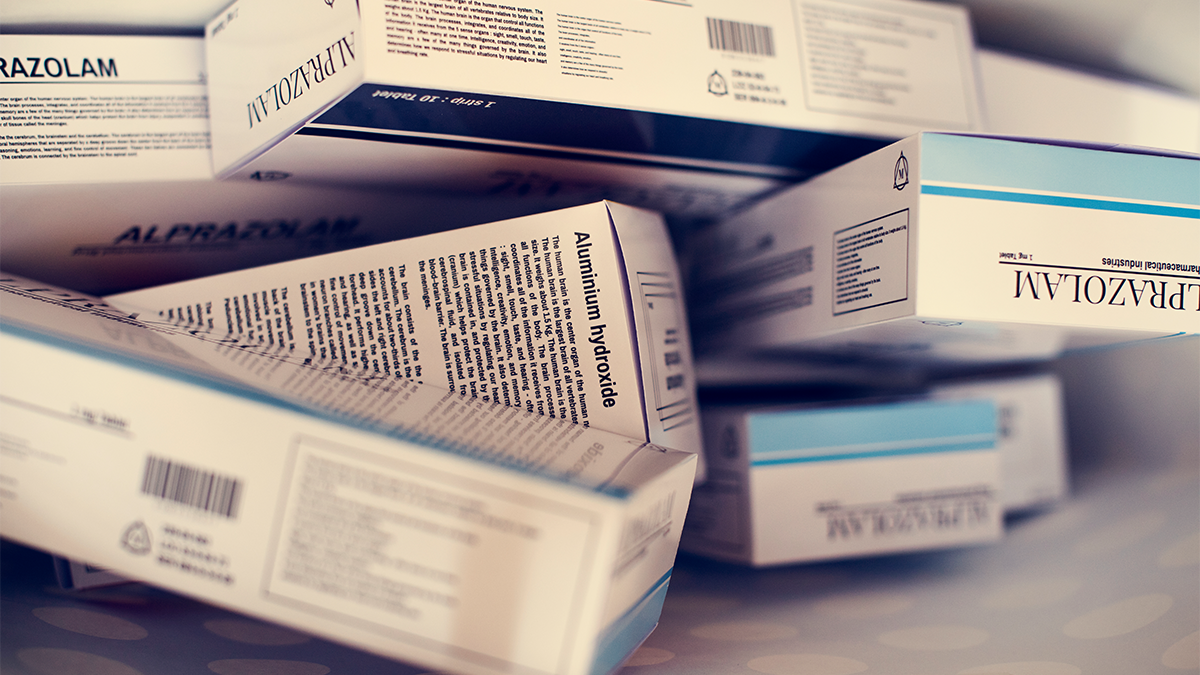
Millions of people have a medicine cabinet full of half-used bottles and blister packs. Most of them wonder the same thing: Can I still take this? Here is a clear guide to what they are and whether they are safe.
What Are Expired Medicines?
An expired medicine is any medication that has passed the date printed on its label. After that date, the manufacturer no longer guarantees the drug’s full potency or safety.
Here are important points to remember:
- The expiration date is the last day the manufacturer certifies full potency and safety under proper storage conditions.
- Expiry is set by law. The FDA requires all drug manufacturers to include expiration dates on every product.
- The date does not automatically mean the drug becomes toxic on day one after expiry, but it does mean the guarantee is gone.
Why Do Medicines Have Expiration Dates?
Medicines expire because their chemical compounds degrade over time. Heat, light, humidity, and oxygen all accelerate this breakdown.
The Science Behind It
Drug manufacturers are required by the FDA to run stability testing on every product. These tests determine how long a drug maintains at least 90% of its labelled potency under standard storage conditions. That endpoint becomes the expiration date.
In simple words, expiration dates are conservative by design. But “may still work” is not the same as “is safe and effective.”
Are Expired Medicines Dangerous?
Most expired medicines are not acutely dangerous. They are more likely to be less effective than harmful. But some carry real risks.
Possible Risks
- Loss of potency is the most common problem. A pain reliever that has lost 20–30% of its strength may leave you undertreated. For chronic conditions like diabetes, hypertension, or epilepsy, reduced drug efficacy is a genuine medical risk.
- Chemical degradation can produce harmful breakdown products in specific drug classes. This is not theoretical. It is a documented concern with tetracycline antibiotics, which have been linked to kidney damage when degraded.
- Psychological risk also exists. Relying on an expired medication for a serious condition can delay proper treatment.
What Happens If You Take Expired Medicine?
Usually, nothing too intense occurs. You might find that the relief you get isn’t as much as you hoped for. However, there are some uncommon instances with certain medications where more serious side effects can happen.
Which Expired Medicines Are Most Dangerous?
Not all expired drugs are equal. These categories carry the most risk:
Insulin and injectable biologics: Protein-based drugs degrade in ways that are not visible to the eye. Degraded insulin can cause glycemic emergencies.
Nitroglycerin (for heart conditions): This drug is notoriously unstable. Expired nitroglycerin tablets may fail to relieve a cardiac event when seconds matter.
Liquid antibiotics: These degrade faster than solid forms and can lose efficacy rapidly after opening.
Eye drops and ear drops: Preservatives break down, enabling bacterial growth in the solution itself.
Epinephrine auto-injectors (EpiPen): Expired epinephrine may not deliver a sufficient dose during an anaphylactic reaction. This is potentially life-threatening.
How Should Medicines Be Stored at Home?
Proper storage directly affects how long medicines stay effective. The following are some ways to store medicine safely.
1. Keep medicines cool and dry
The bathroom cabinet is actually one of the worst places to store medicine. Heat and humidity from showers accelerate degradation. Store medicines in a cool, dry location like a bedroom drawer or a dedicated shelf away from the kitchen stove.
2. Avoid direct sunlight
UV light breaks down many active compounds. Use opaque containers or a closed cabinet.
3. Keep original packaging
Manufacturers design packaging to protect the contents. Transferring pills to non-original containers removes that protection and the printed expiry date.
4. Store injectables and biologics in the refrigerator
Keep them in the refrigerator unless the label says otherwise. Insulin, for example, should be refrigerated when not in active use.
5. Do not store medicines in the car
Temperatures in a parked vehicle can exceed 60°C (140°F), rapidly degrading medications.
6. Check dates regularly
Do a medicine cabinet audit every 6–12 months. Dispose of expired medicines safely. The FDA recommends using drug take-back programs, not flushing them down the drain.
Next Step: Get Your Medicines Fresh and on Time
The safest approach to medication is simple: never rely on expired stock. Pharma Drop is an online pharmacy that makes it easy to order genuine medications from the comfort of your home. Place your order today at discounted prices.